Sestiere Dorsoduro
San Sebastiano
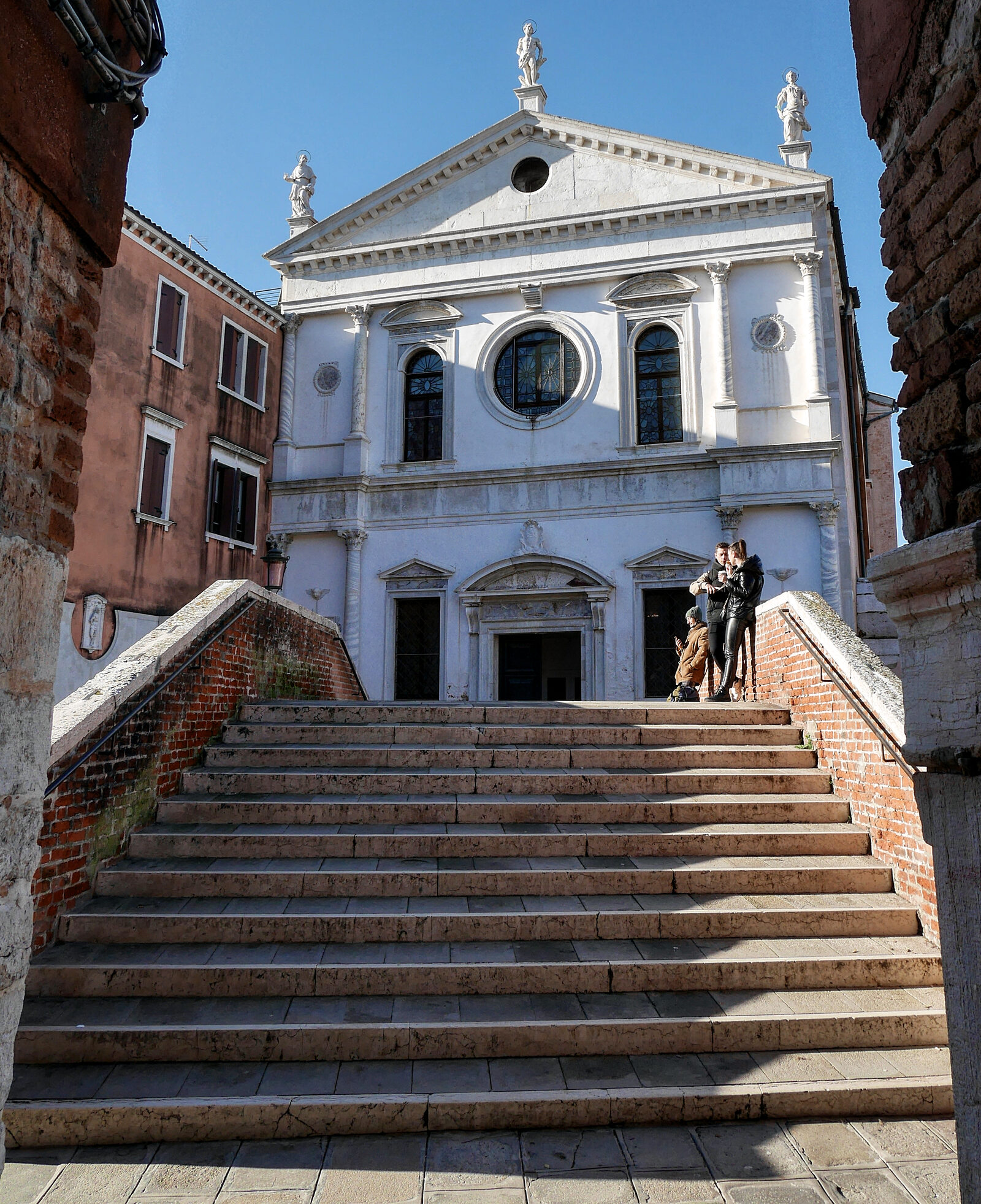
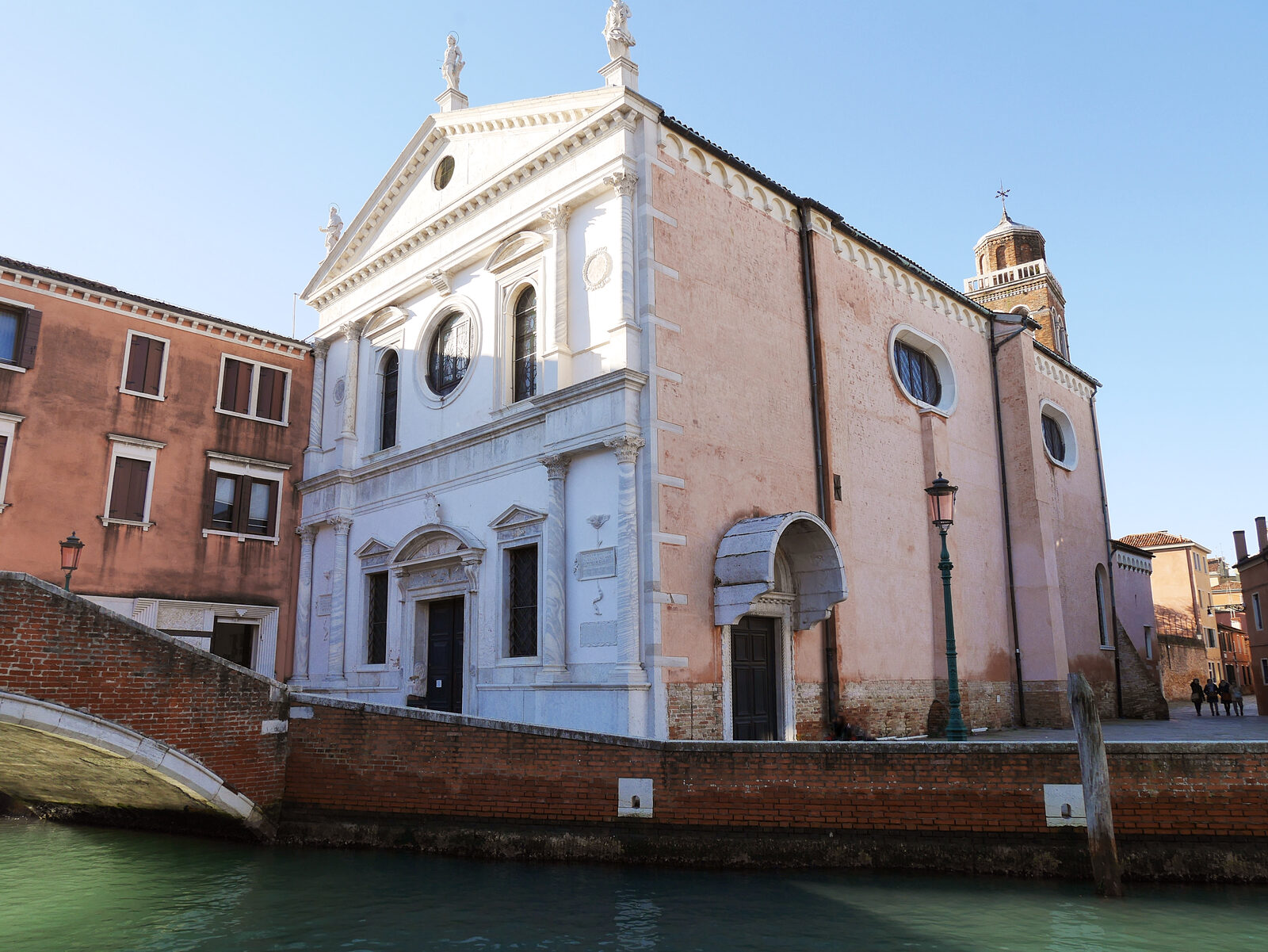
Veronese's Venetian sanctuary
Votive plague church adorned with vibrant paintings by Veronese, who is also buried here.
San Basilio + 3-min walk
chorusvenezia.org
Additional resources
What makes this place special
A sanctuary from the plague
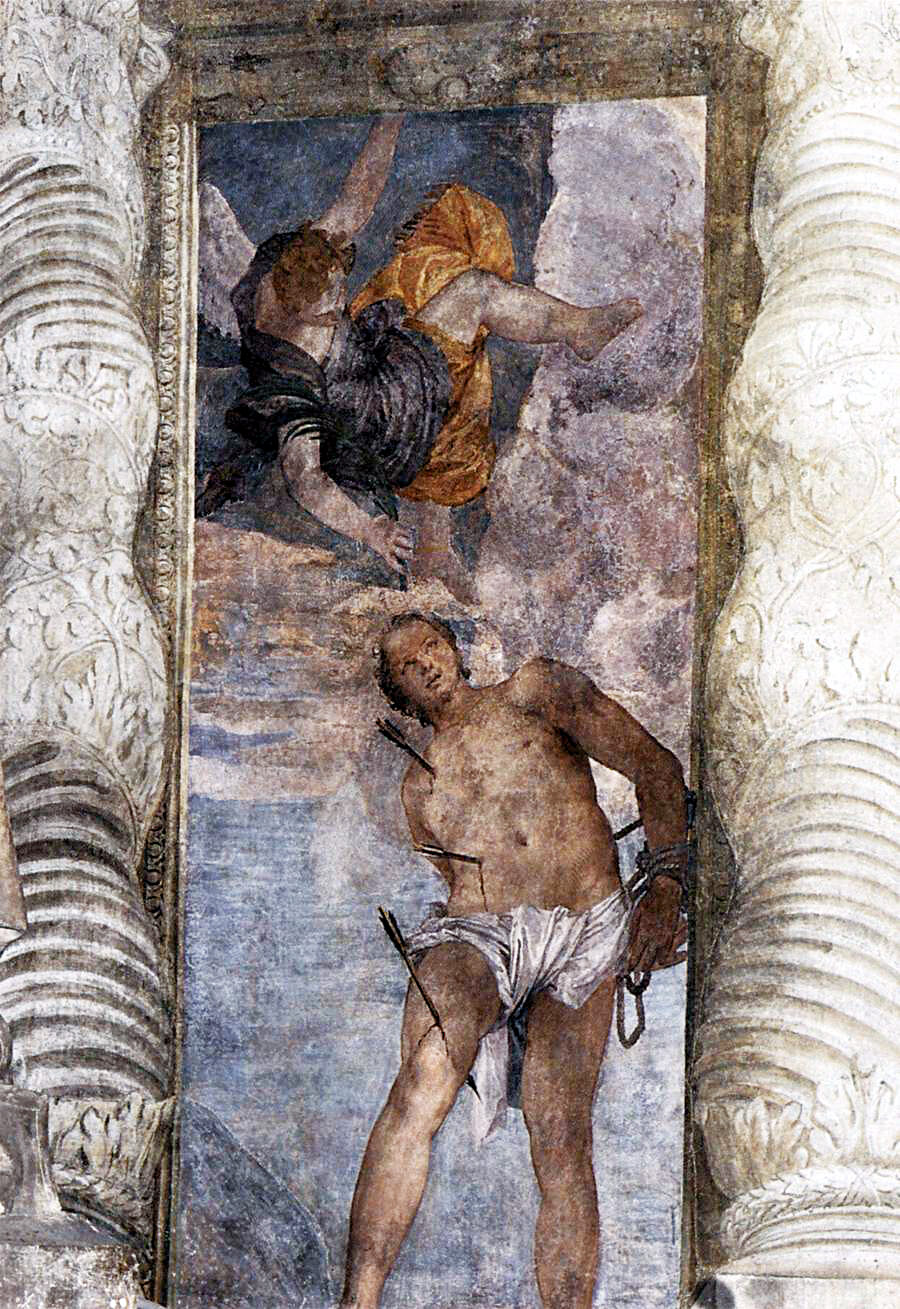
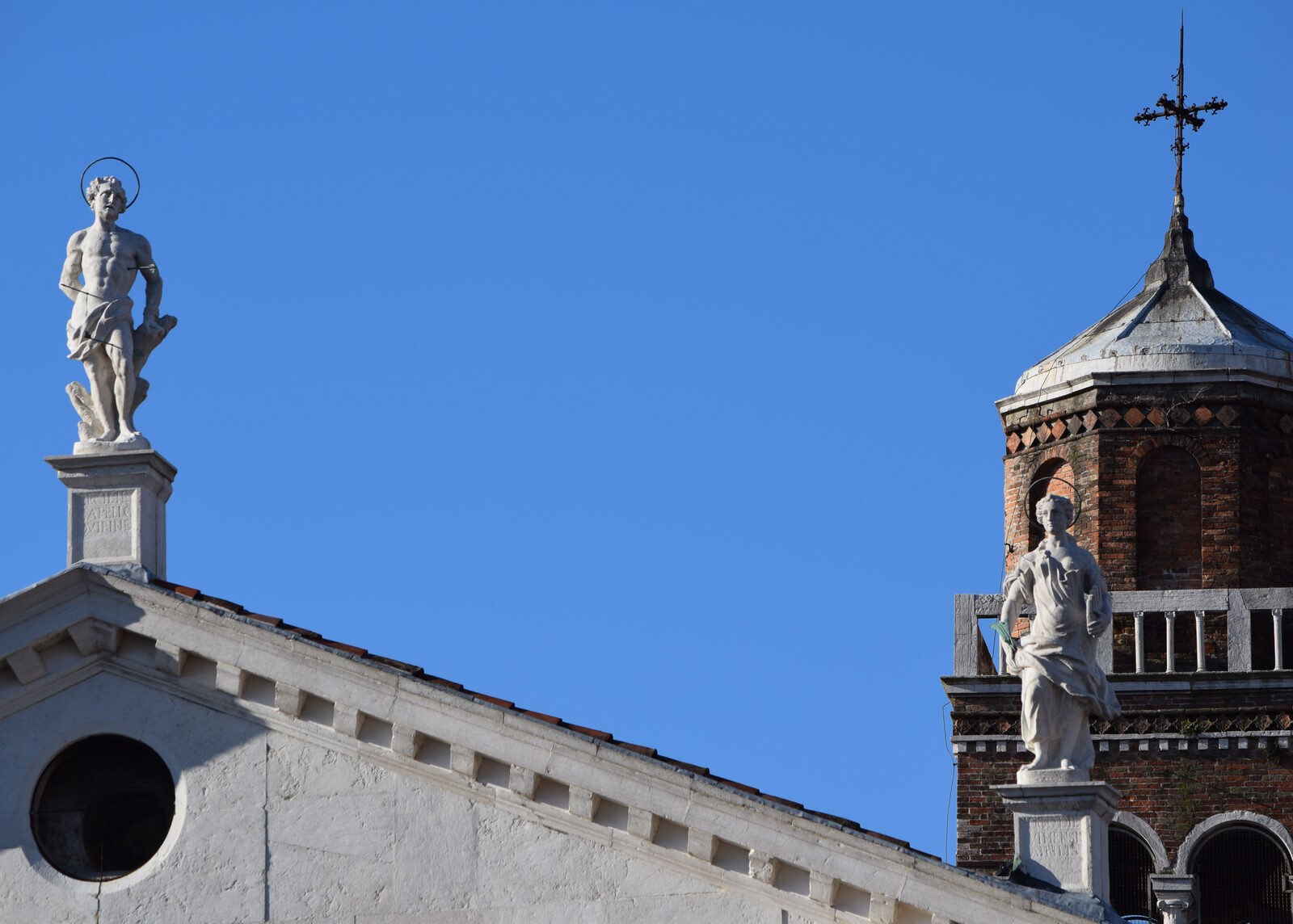
The church is dedicated to Saint Sebastian, long venerated in the Middle Ages as a protector against the plague. Throughout the church, you'll find multiple depictions of the saint - typically shown as a youthful figure bound to a tree or post and pierced by arrows.
Veronese's last refuge
According to legend, Paolo Veronese fled to this church in 1555 after facing murder charges in Verona, accused of killing a romantic rival. Here, he found both sanctuary and renewed purpose.
The devotion of an artist
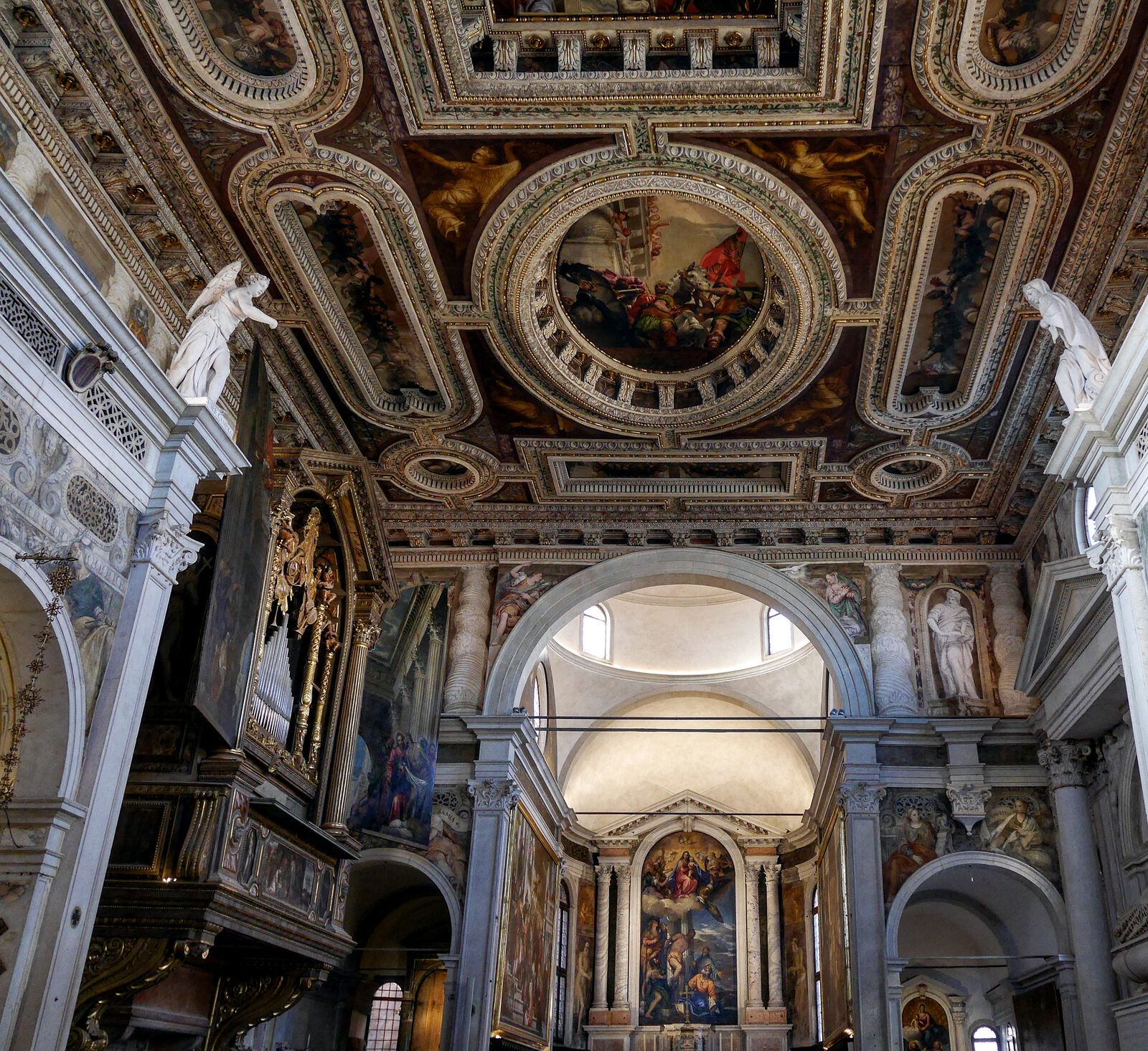
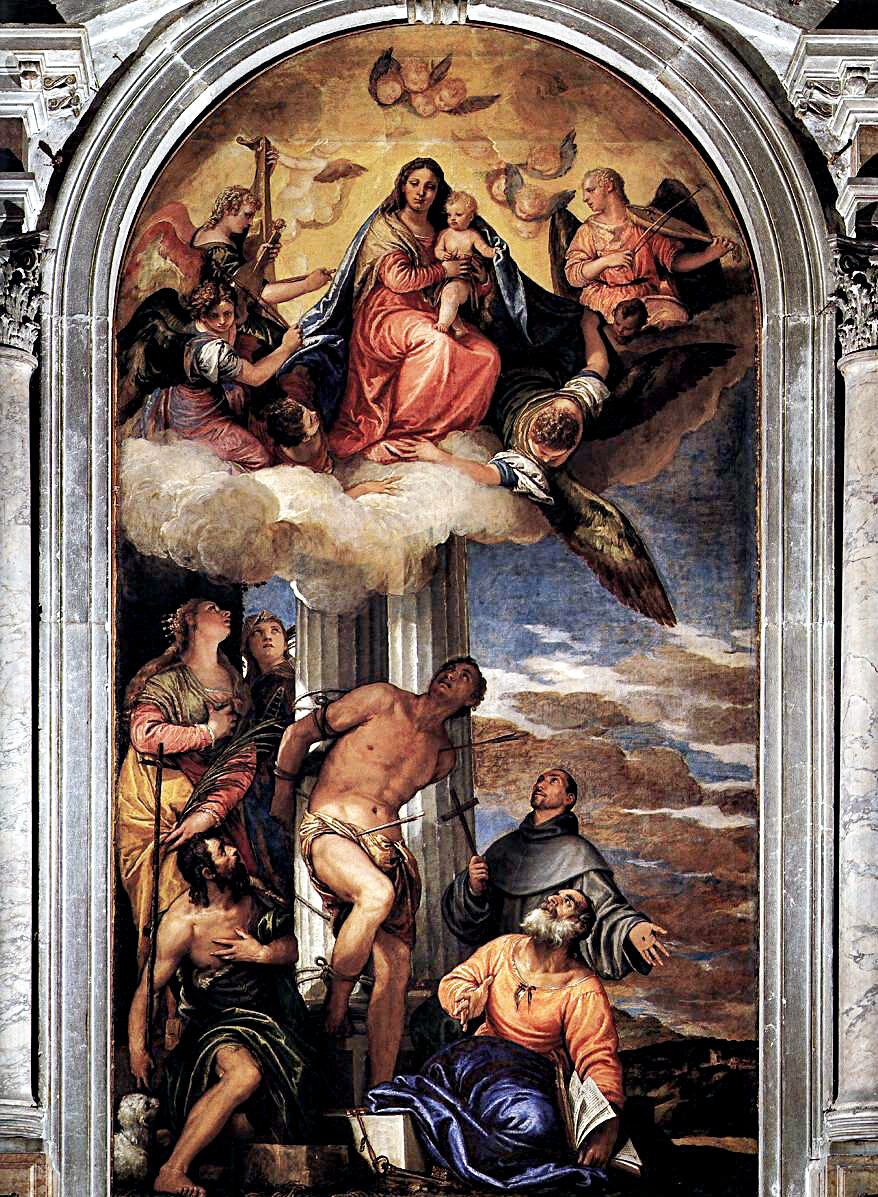
Over the next three decades, Veronese transformed the church's interior with sweeping frescoes and grand biblical scenes. When he died in 1588, his final wish was honored: to be buried beneath his masterpieces. His memorial bust stands to the right of the organ.
A remarkable ceiling
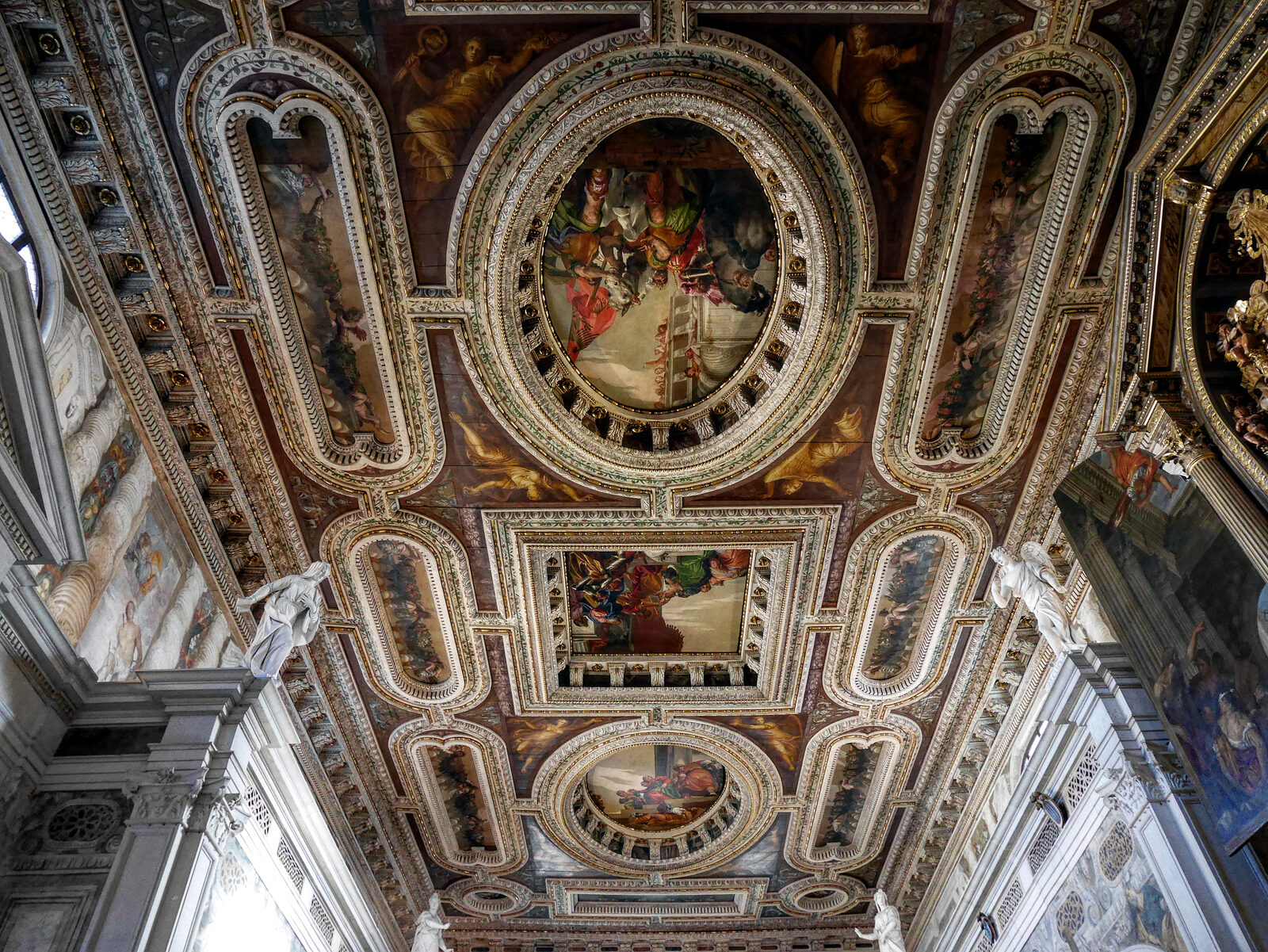
The ceiling is an outstanding example of a Venetian soffitto - a segmented painted ceiling influential in shaping the city's artistic heritage. Beyond the three central paintings on canvas, which tell the story of the Old Testament heroine Esther, the space is further enriched by eight flanking wooden panels depicting balustrades and four monochrome roundels featuring virtues.
Picturesque surroundings
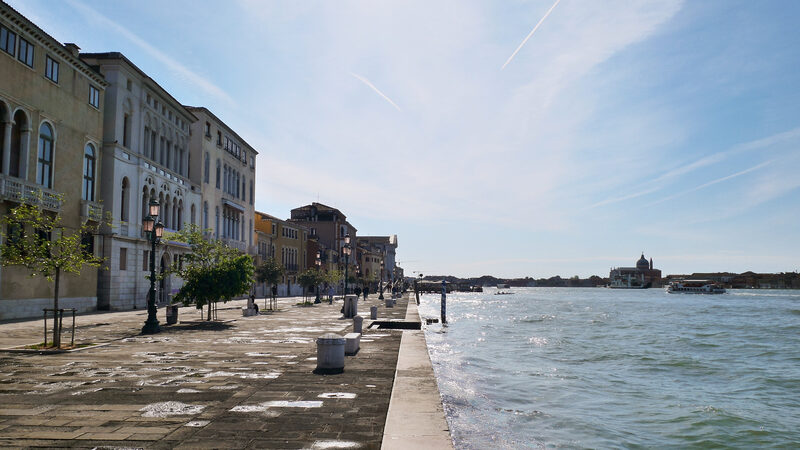
Quiet little campi and winding canals weave an ever-changing pattern - perfect for a peaceful stroll and spontaneous photo moments.
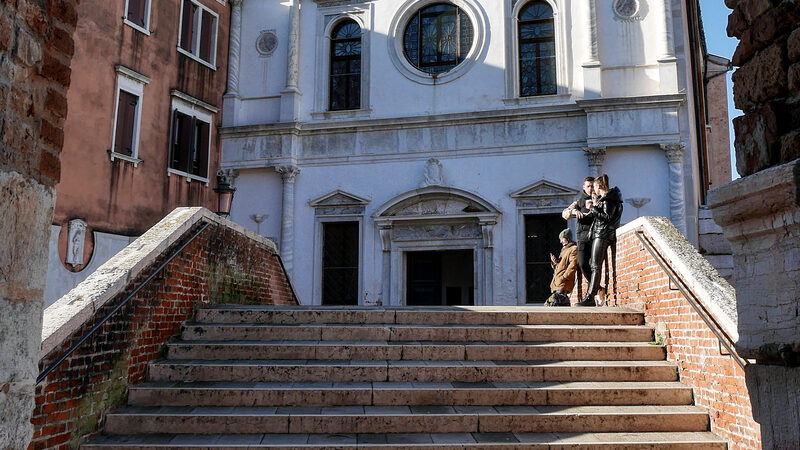
Discover more about San Sebastiano through 8 photos with explanations.
Open galleryWhat to experience here
- Get ready to be amazed by the dramatic floor-to-ceiling frescoes Paolo Veronese painted over more than three decades.
- Reflect on how few of us dedicate 30 years of our lives to a single purpose.
- After your visit, linger a little longer in the quiet campi nearby.
Venice's votive churches
You can find four other votive churches in Venice, all built in gratitude for surviving the plague - but only one holds the relics of the city's legendary protector against it.
At San Rocco, Saint Roch himself lies enshrined above the high altar, surrounded by Tintoretto's powerful scenes from the saint's life and miracles.
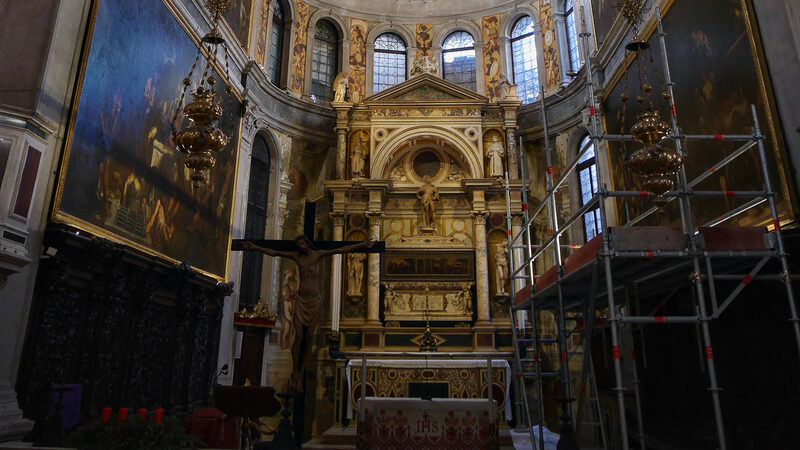
What to see nearby
These top spots are just a short walk from San Sebastiano:
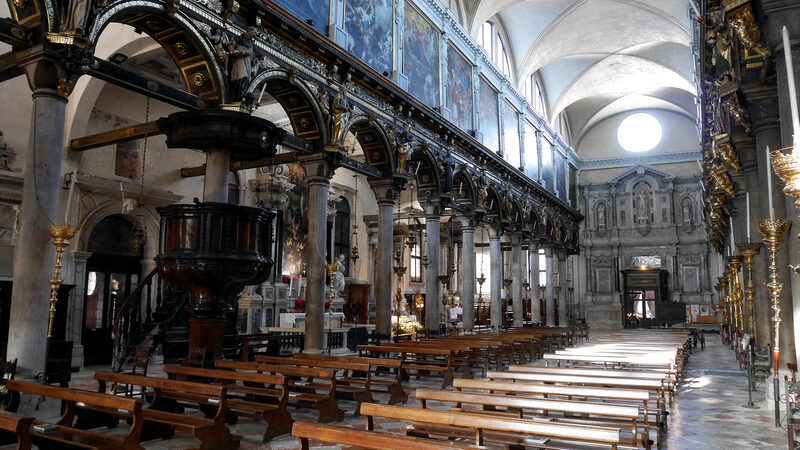
tops 5 mins
Santa Maria dei Carmini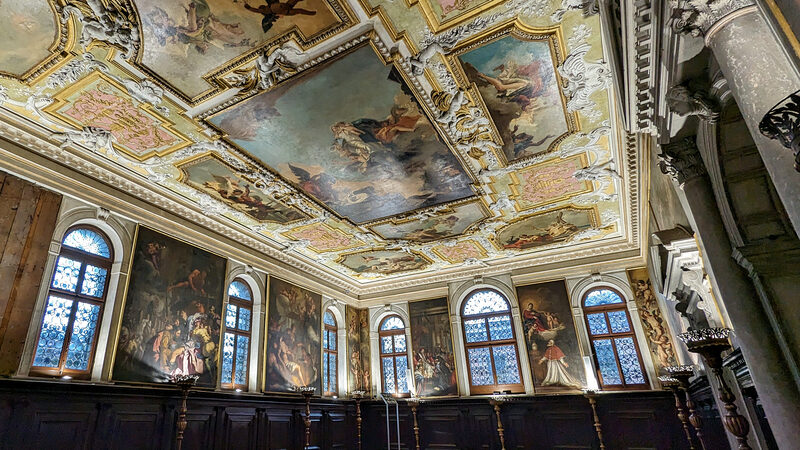
tops 5 mins
Scuola Grande dei Carmini
5-10 min away
San Nicolò dei Mendicoli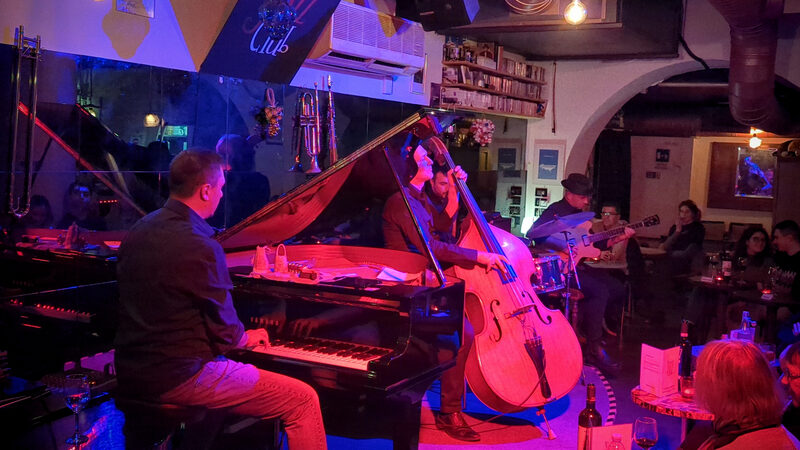
5-10 min away
Venice Jazz Club
5-10 min away
Ponte dei Pugni
5-10 min away
Campo Santa Margherita
5-10 min away
San BarnabaMore places like this
Inspired by San Sebastiano? Discover additional churches on the Chorus Circuit:




And more hidden gems away from Venice's busiest hotspots